How to Start a Cleaning Business in Texas

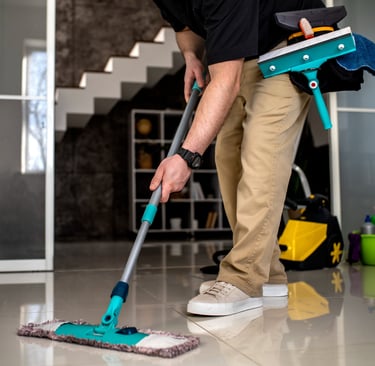
Starting a cleaning business in Texas can be a rewarding and lucrative venture. With the right planning and preparation, you can build a strong and reliable career for yourself. In this article, we will guide you through the basic steps to getting an LLC, obtaining a cleaning business license, and gaining clientele for your new cleaning business.
1. Decide on Your Cleaning Business Structure
The first step in starting a cleaning business in Texas is to decide on the structure of your business. You have several options to choose from:
Sole Proprietorship: This is the simplest form of business structure and involves operating the business as an individual. You will be personally liable for any debts or liabilities.
Limited Liability Company (LLC): Forming an LLC provides personal liability protection and allows you to separate your personal and business assets.
Partnership: If you plan to start the business with a partner, you can form a partnership. This involves sharing the profits, losses, and responsibilities with your partner.
Corporation: Forming a corporation offers the most legal protection but involves more complex paperwork and ongoing requirements.
Consider the advantages and disadvantages of each structure and choose the one that best suits your needs.
2. Register Your Cleaning Business
Once you have decided on the structure of your cleaning business, you will need to register it with the appropriate authorities. If you choose to operate as a sole proprietorship, you may not need to register your business name. However, if you decide to operate under a different name, you will need to file a "Doing Business As" (DBA) with the county clerk's office.
If you choose to form an LLC or a corporation, you will need to file the necessary formation documents with the Texas Secretary of State. This typically involves submitting a Certificate of Formation and paying the required fees.
3. Obtain a Cleaning Business License
In Texas, cleaning businesses are not required to have a specific license. However, depending on the services you offer, you may need to obtain certain permits or licenses. For example, if you plan to use certain chemicals or equipment, you may need to obtain permits from the Texas Commission on Environmental Quality (TCEQ).
It is important to research the specific requirements for your type of cleaning business and comply with all necessary regulations.
4. Get Insurance Coverage
Insurance is an essential aspect of any cleaning business. It protects you, your employees, and your clients in the event of accidents or damages. Consider obtaining the following types of insurance:
General Liability Insurance: This provides coverage for bodily injury, property damage, and personal injury claims.
Worker's Compensation Insurance: If you have employees, this insurance will cover medical expenses and lost wages in case of work-related injuries or illnesses.
Commercial Auto Insurance: If you use vehicles for your cleaning business, this insurance will cover damages and liability in case of accidents.
Consult with an insurance professional to determine the best coverage options for your cleaning business.
5. Develop a Marketing Strategy
Once you have set up the legal and operational aspects of your cleaning business, it's time to focus on gaining clientele. Developing a marketing strategy is crucial to attracting customers and growing your business. Consider the following strategies:
Create a Professional Website: A well-designed website can showcase your services and attract potential clients. Include information about your business, services, pricing, and contact details.
Utilize Local Directories: List your cleaning business in local directories such as Google My Business, Yelp, and Yellow Pages. This will make it easier for potential customers to find you.
Word-of-mouth referrals: Offer exceptional service to your initial clients and encourage them to refer your business to their friends and family.
Social Media Marketing: Utilize platforms like Facebook, Instagram, and LinkedIn to promote your cleaning business and engage with potential clients.
Networking: Attend local business events and join professional organizations to connect with potential clients and build relationships.
6. Provide Excellent Service
One of the most important aspects of running a successful cleaning business is providing excellent service. Delivering high-quality results and exceeding customer expectations will help you build a strong reputation and gain repeat business.
Train your employees (if applicable) to ensure they understand and follow proper cleaning techniques and protocols. Regularly communicate with your clients to address any concerns and maintain a positive relationship.
Conclusion
Starting a cleaning business in Texas requires careful planning and attention to detail. By following the steps outlined in this article, you can establish a solid foundation for your business and attract a loyal client base. Remember to comply with all legal requirements, obtain the necessary insurance coverage, and focus on providing exceptional service. With dedication and hard work, your cleaning business can thrive in the competitive Texas market.
Residential Cleaning Hours
Monday – Friday: 9:00 am – 6:00 pm
Saturday: 8:30 am – 4:00 pm
Sunday: Closed
Customer Service Hours
Monday – Friday: 8:00 am – 8:00 pm
Saturday: 8:30 am – 8:00 pm
Sunday: Closed
Reviews
Blog