Effective Sanitization Methods for Maintaining Building Bathrooms
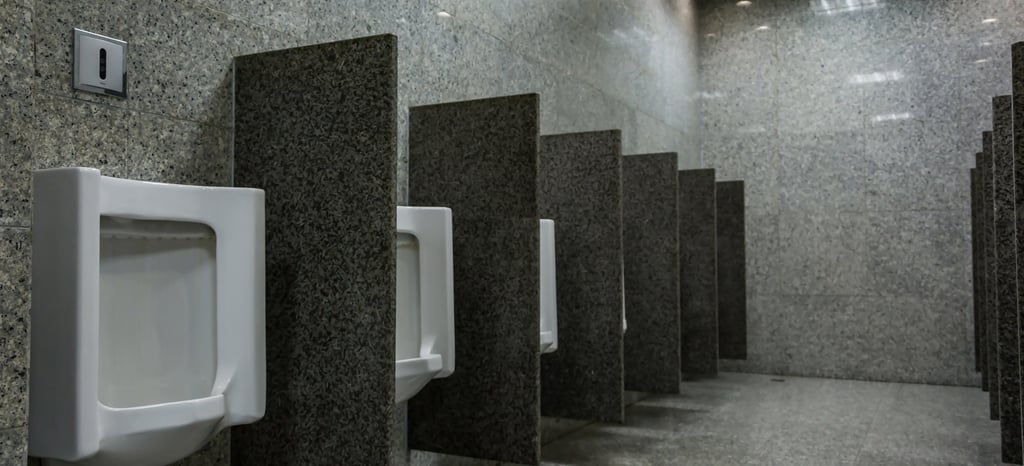
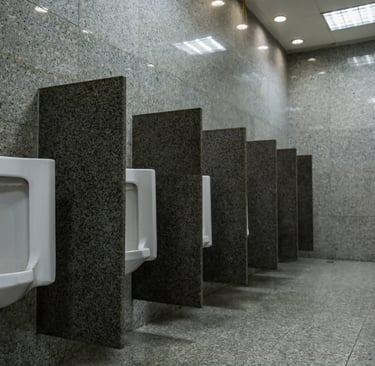
Discover the best practices for keeping building bathrooms clean and sanitized with these effective methods.
Understanding the Importance of Sanitization in Building Bathrooms
Maintaining clean and sanitized bathrooms in a building is crucial for the health and safety of the occupants. Proper sanitization helps prevent the spread of germs, bacteria, and viruses, reducing the risk of illnesses. Regular cleaning and disinfection also contribute to a pleasant and hygienic environment, promoting a positive image of the building.
In high-traffic areas such as building bathrooms, there is a higher chance of contamination due to the constant influx of people. Therefore, understanding the importance of sanitization and implementing effective methods is essential to ensure a safe and healthy space for everyone.
Choosing the Right Cleaning Products and Equipment
Selecting the appropriate cleaning products and equipment is crucial for effective sanitization. It is important to choose disinfectants and cleaners that are specifically designed for bathroom surfaces and capable of killing a wide range of germs and bacteria. Look for products that are registered with the Environmental Protection Agency (EPA) and have proven efficacy against common bathroom contaminants.
In addition to disinfectants, it is also essential to have the right cleaning tools and equipment. Microfiber cloths, mops, and brushes are commonly used in bathroom cleaning. These tools are effective at removing dirt, grime, and bacteria from various surfaces without spreading them around. It is important to regularly clean and replace these tools to maintain their effectiveness.
Implementing Proper Cleaning Techniques
To ensure thorough sanitization, it is important to implement proper cleaning techniques. Start by removing any visible dirt or debris from surfaces using a damp cloth or mop. Then, apply the appropriate disinfectant and allow it to sit for the recommended contact time to ensure maximum efficacy.
Pay special attention to high-touch areas such as door handles, faucets, and toilet flush handles, as these are frequently contaminated. Scrub these areas thoroughly to remove any lingering bacteria or viruses. Additionally, ensure proper ventilation during the cleaning process to minimize exposure to cleaning chemicals.
It is also important to clean bathroom fixtures such as sinks, toilets, and urinals regularly. These fixtures can harbor germs and bacteria, leading to unpleasant odors and potential health risks. Use appropriate cleaners and brushes to remove stains and deposits, ensuring a clean and hygienic appearance.
Establishing a Regular Cleaning Schedule
Maintaining clean and sanitized bathrooms requires establishing a regular cleaning schedule. The frequency of cleaning will depend on the usage and foot traffic in the building. High-traffic bathrooms may require more frequent cleaning, while low-traffic bathrooms may need less frequent cleaning.
Create a cleaning checklist that includes all the necessary cleaning tasks for each visit. This ensures that no areas are overlooked and that all surfaces and fixtures are adequately cleaned and sanitized. It is also important to assign dedicated staff or cleaning services to handle the regular cleaning of bathrooms and ensure accountability.
Ensuring Compliance with Health and Safety Regulations
Compliance with health and safety regulations is essential for maintaining clean and sanitized bathrooms in a building. Familiarize yourself with local regulations and guidelines related to bathroom cleanliness and ensure that you adhere to them.
Regularly review and update your cleaning procedures to align with any new regulations or recommendations. Train your cleaning staff on proper cleaning techniques, the correct use of cleaning products, and the importance of following health and safety protocols. It is also important to keep records of cleaning activities and any incidents for documentation and reference.
Residential Cleaning Hours
Monday – Friday: 9:00 am – 6:00 pm
Saturday: 8:30 am – 4:00 pm
Sunday: Closed
Customer Service Hours
Monday – Friday: 8:00 am – 8:00 pm
Saturday: 8:30 am – 8:00 pm
Sunday: Closed
Reviews
Blog